
The Four Cs of Successful Project Management
Clarity, Coordination, Communication & Completion
Project management isn’t just about finishing tasks; it’s about delivering outcomes that meet goals, stay on budget, and feel organized rather than chaotic. Most projects fail not because teams lack talent, but because they lack structure.
At Blue Zoo Creative, we’ve seen that smooth projects depend on clear segmentation, defined ownership, and consistent communication. The best results come from systems, not last-minute heroics.
Why Project Management Matters
Today’s projects move faster and involve more complexity. Even a “simple” website may include strategy, content planning, design, development, integrations, accessibility checks, and training. Without structure, this quickly leads to delays, confusion, and burnout.
Great project management isn’t micromanagement, it’s risk reduction.
The Four Cs Framework
Clarity
Clear goals, defined scope, known constraints
Coordination
Segmented, assigned, and tracked work
Communication
Regular updates, clear blockers, consistent rhythm
Completion
QA, documentation, training, post-launch support

Clarity
Clarity prevents confusion, rework, and costly assumptions.
CLARITY INCLUDES
Clear goals
(and success criteria)
Defined scope
(what’s included—and what isn’t)
Known constraints
(time, budget, approvals)
Shared definitions
(e.g., “launch-ready,” “final content”)
A helpful tool is a Project One-Liner:
We are building [X] for [Y audience] so they can [Z outcome] by [deadline].
Kickoff Checklist
Purpose and audience
Timeline milestones
Client responsibilities
Deliverables
Approval roles
Communication rules
Clarity doesn’t eliminate change; it makes change manageable.

Coordination
Coordination keeps work moving without bottlenecks.
Strong Coordination Means:
manageable segments
(and success criteria)
assigning ownership
(what’s included—and what isn’t)
tracking dependencies
(time, budget, approvals)
maintaining momentum
(e.g., “launch-ready,” “final content”)
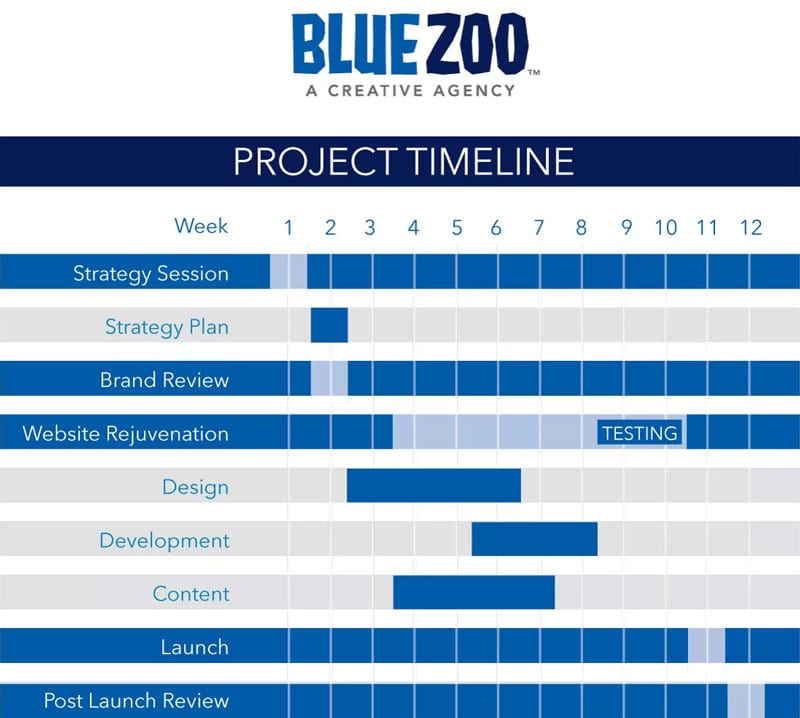
Segmenting Projects
Big projects don’t get finished—segments do.
Clear segments make progress visible and measurable.
See this example from Blue Zoo’s Project Timeline:
Assigning Ownership
Projects stall when responsibility is vague.
Rule: 1 Segment = 1 Owner = 1 Outcome
The owner ensures progress, communicates updates, and confirms readiness for handoff.
Clear segments make progress visible and measurable.

Communication
Communication is the engine of project success. Even great teams lose time when updates are unclear.
Internal Communication
blockers
changes
reviews needed
next steps
Client Communication
progress updates
decisions needed
timeline expectations
requested materials
If nobody knows what’s happening, nothing is happening.
The Project Update Rhythm
Predictable updates build trust.
Weekly Client Update
what’s complete
what’s in progress
what we need
what’s next
risks or blockers
Internal Standup
priorities
approvals & handoffs
timeline risks
Where Delays Really Come From
Typical Causes of Timeline Delays
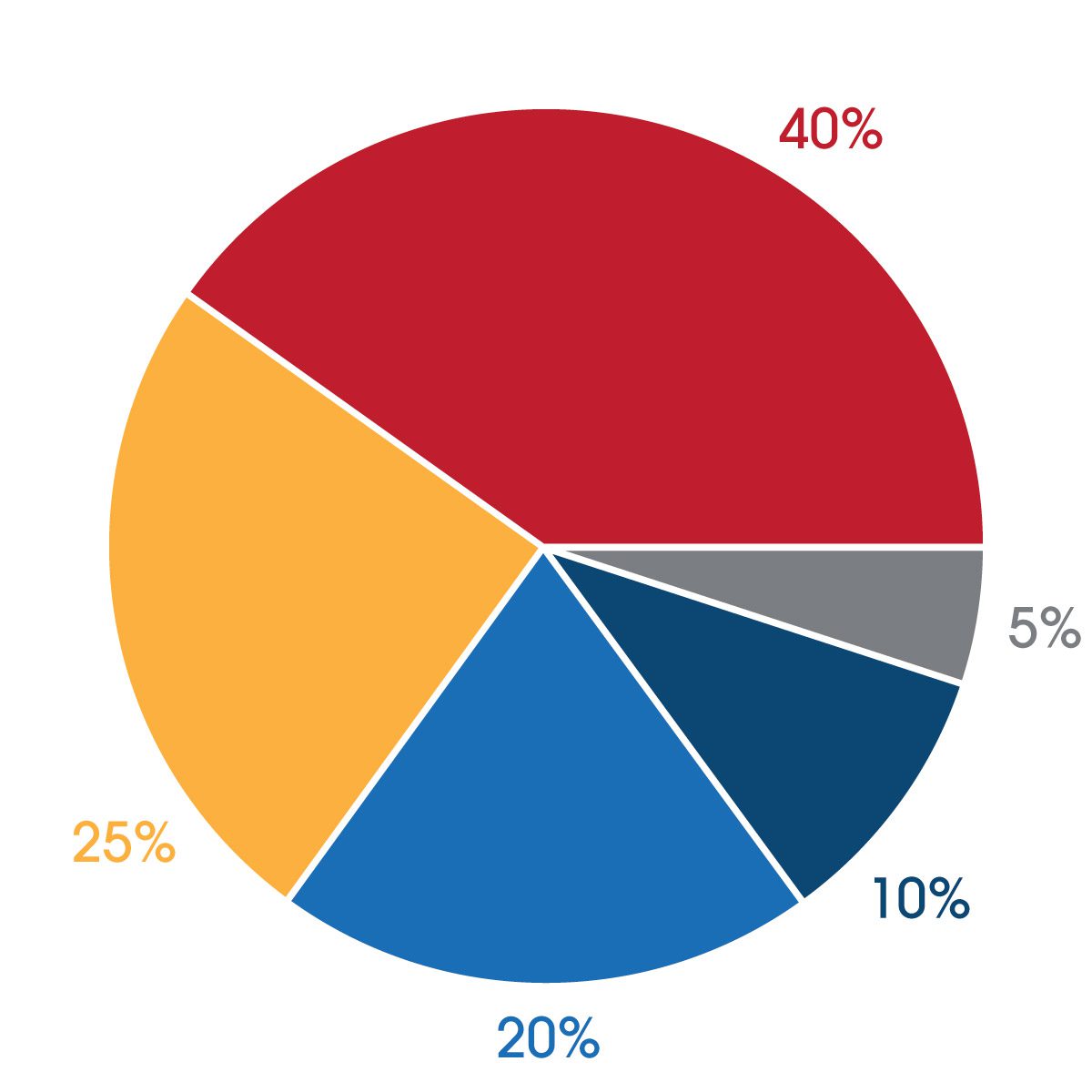
Waiting on content/approvals | Scope changes | Unclear ownership | Technical blockers | Other
Most delays are process-related; not technical.
Frameworks That Work
You don’t need complexity; just the right structure.
Agile
short cycles, adaptable priorities
Waterfall
linear, predictable flow
Hybrid
structured phases with flexible iterations
(most teams use this)
Common Mistakes to Avoid
Skipping a real kickoff
Treating all tasks equally
Allowing endless revisions
Not documenting decisions
Assuming clients know what you need

Completion
Completion is more than launching.
A strong finish includes:
QA and testing
documentation
post-launch support
launch checklists
client training
performance monitoring
A project isn’t complete if the client feels lost.
A Simple System You Can Use Today
1
Define project segments
2
Assign owners
3
Set milestones
4
Establish weekly updates
5
Track decisions and blockers
Simple. Modern. Effective.
Your Turn. Time to Implement.
Clients aren’t just paying for deliverables, they’re paying for confidence. They want visibility, guided decisions, and predictable progress.
At Blue Zoo Creative, we deliver that through smart segmentation, clear ownership, and consistent communication. Using proven tools, including TeamWork.com, we keep projects organized, transparent, and calm from kickoff through completion.
If you want a creative partner who brings clarity and structure to complex work, we’re ready to help.

Need Help?
Modern websites are a lot of work. Blue Zoo has been designing and building WordPress websites locally in Northwest Arkansas for over fifteen years (and for clients around the globe as well). Contact us today to see if we can help you achieve your goals and...